Creating a cozy and functional home workspace is essential in today’s world, where many people spend significant time working from home. A well-designed workspace not only boosts productivity but also helps maintain your comfort and well-being. Whether you have a dedicated room or a small corner in your living space, these tips will help you set up an inviting and efficient work area.
Choose the Right Location
Your workspace location plays a crucial role in your focus and comfort. Ideally, find a spot with plenty of natural light, which can improve mood and reduce eye strain. A quiet corner away from household distractions is preferable. If possible, avoid setting up in high-traffic areas or places where you usually relax, like your bedroom or couch, to maintain a clear boundary between work and leisure.
Invest in Comfortable Furniture
Comfort is key when selecting furniture for your home workspace. Choose an ergonomic chair that supports your back and encourages good posture to prevent discomfort during long work hours. A desk with enough surface area for your computer, documents, and other essentials can help keep your space organized. Adjustable desks that allow you to alternate between sitting and standing can also promote better health.
Optimize Lighting
Good lighting reduces eye strain and increases productivity. Natural light is best, so position your desk near a window if possible. Supplement with a desk lamp that provides focused, adjustable light for late-night work. Avoid harsh overhead lighting that creates glare on your screen; instead, opt for warm and soft light to enhance the cozy feeling.
Declutter and Organize
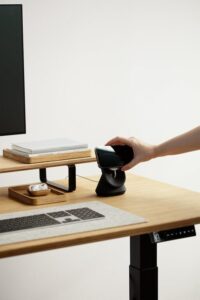
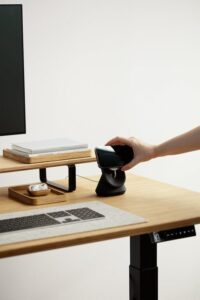
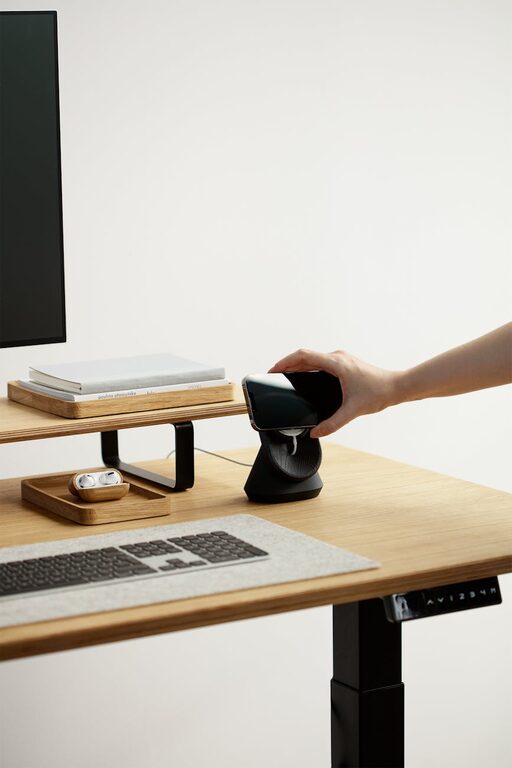
A tidy workspace helps you stay focused and reduces stress. Use organizers like trays, shelves, or drawer dividers to keep your supplies in order. Cable management solutions—such as clips and sleeves—can keep cords neat and out of the way. Regularly clean your desk to maintain a fresh, inviting atmosphere.
Personalize Your Space
Adding personal touches can make your workspace more inviting and inspire creativity. Display photos, artwork, or plants to add color and personality. Choose decor items that make you feel comfortable without cluttering your desk. Plants, in particular, bring a touch of nature indoors and have been shown to improve mood and air quality.
Minimize Distractions
Limit distractions by keeping your workspace dedicated to work activities. Use noise-canceling headphones if you live in a noisy environment. Consider putting your phone on silent or in another room during focused work sessions. If you share your space with others, communicate your work schedule to help minimize interruptions.
Incorporate Storage Solutions
Effective storage helps you maintain a clean and functional workspace. Use shelves, filing cabinets, or storage boxes to keep important documents and items organized. Label storage containers to quickly locate what you need. Keeping frequently used items within arm’s reach and lesser-used things neatly stored away optimizes your workflow.
Maintain Good Ventilation and Air Quality
Fresh air contributes to alertness and comfort. If possible, open a window for ventilation or use an air purifier to ensure the air in your workspace stays clean. Avoid placing your workspace near sources of dust or allergens that can affect your health.
Set Up Technology Thoughtfully
Make sure your internet connection is reliable and your devices are charged or plugged in nearby. Arrange your computer, keyboard, and mouse ergonomically to reduce strain. Use a monitor riser or laptop stand if needed to keep the screen at eye level. Investing in good-quality headphones or speakers can improve your experience during online meetings.
Create a Routine and Boundaries
Even with the best workspace, maintaining productivity requires self-discipline. Establish a routine that signals the start and end of your workday. Taking short breaks to stretch or move around also helps prevent fatigue. Keeping work and relaxation areas separate aids in mentally switching between work mode and downtime.
—
By following these tips, you’ll design a home workspace that’s both cozy and functional—supporting your comfort and productivity in equal measure. Remember, the best workspace reflects your unique needs and preferences, so feel free to experiment and adjust until it feels just right.