Creating a relaxing home office environment is essential for maintaining focus, reducing stress, and enhancing overall productivity. Whether you work from home full-time or occasionally, your workspace should be a place where you feel comfortable and motivated. In this post, we’ll explore practical tips to help you design a calming and organized home office that supports your daily tasks.
Why a Relaxing Home Office Matters
Having a cluttered or chaotic workspace can increase stress and make it harder to concentrate. On the other hand, a well-organized, peaceful area encourages creativity and efficiency. Setting up a home office that feels relaxing doesn’t necessarily mean it has to be luxurious or expensive—small changes can make a big difference.
Choose the Right Location
Find a Quiet Spot
Try to pick a location in your home that’s away from heavy foot traffic or noisy appliances. A quiet corner or spare room often works best. If space is limited, consider using room dividers or noise-canceling headphones to create a sense of separation.
Consider Natural Light
Natural daylight has a positive effect on mood and focus. Position your desk near a window if possible, but be mindful to avoid glare on your computer screen. If natural light is limited, invest in bright, adjustable lighting that mimics daylight.
Invest in Comfortable and Functional Furniture
Ergonomic Chair
Comfort is key for long hours spent at your desk. An ergonomic chair with adjustable height, good lumbar support, and comfortable cushioning can prevent back pain and improve posture.
Desk That Fits Your Needs
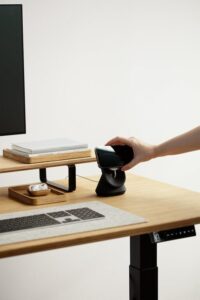
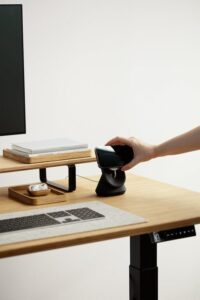
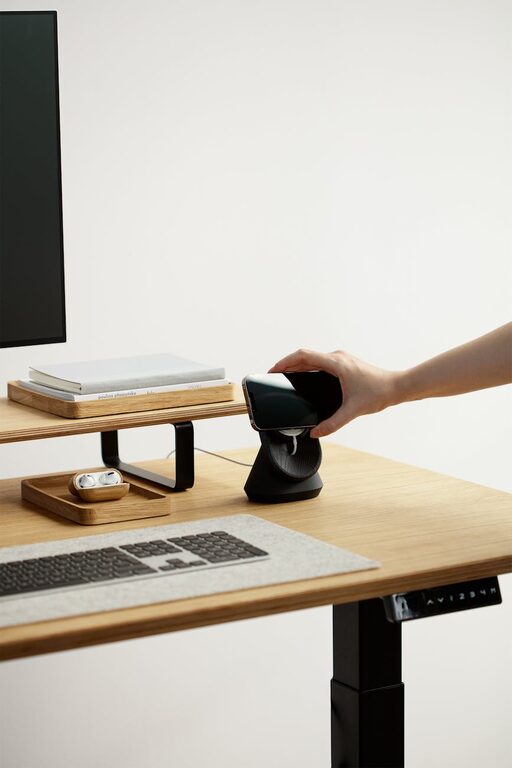
Choose a desk that has enough surface space for your computer, documents, and any other tools you regularly use. Standing desks or adjustable sit-stand desks are also excellent options to promote movement throughout the day.
Declutter and Organize
Keep It Minimal
Clutter can be distracting and increase stress. Keep your workspace tidy by only having essential items on your desk. Use storage options such as shelves, drawers, or filing cabinets to store paperwork and supplies.
Use Organizational Tools
Desk organizers, trays, and cable management solutions help keep everything in its place. Labeling storage containers or folders can save time and reduce frustration when searching for documents.
Personalize Your Space
Add Soothing Elements
Incorporate items that make you feel calm and happy, such as plants, artwork, or decorative objects. Plants, in particular, improve air quality and bring a touch of nature indoors.
Choose Calm Colors
Colors influence mood, so select calming tones like soft blues, greens, or neutrals for your walls or decor. These shades help create a tranquil atmosphere, aiding concentration and reducing anxiety.
Manage Noise and Distractions
Use Soft Background Sounds
If complete silence is distracting, consider background sounds like soft instrumental music, white noise, or nature sounds. These can help mask disruptive noises and improve focus.
Set Boundaries With Others
If you share your living space, communicate your working hours clearly to reduce interruptions. Using visual signals such as a closed door or “do not disturb” sign can also help.
Take Regular Breaks and Move
Follow a Break Schedule
Taking short breaks throughout the day improves concentration and refreshes the mind. The Pomodoro technique—working for 25 minutes and taking a 5-minute break—is a popular method.
Stretch and Move
Include simple stretches or a quick walk in your routine to reduce physical tension and boost energy. Consider keeping a yoga mat or small exercise equipment nearby to encourage movement.
Optimize Technology Setup
Declutter Digital Space
Keep your computer desktop clean and organized. Use folders to sort files and regularly delete old documents to keep your digital environment stress-free.
Manage Cables
Tidy up cables with clips or cable sleeves to prevent tangling and clutter. A clean setup improves aesthetics and reduces the risk of tripping hazards.
Improve Air Quality and Scent
Ventilate Your Space
Fresh air is essential for staying alert. Open windows regularly or use fans to ensure good airflow, especially if your workspace has limited natural ventilation.
Use Aromatherapy
Pleasant scents like lavender, citrus, or eucalyptus can promote relaxation. Use essential oil diffusers or scented candles safely to create a soothing atmosphere.
Keep Hydrated and Nourished
Have Water Nearby
Keep a water bottle handy to remind yourself to stay hydrated throughout the day, which helps maintain energy levels.
Healthy Snacks
Storing healthy snacks like nuts or fruit can prevent low energy dips and improve focus during long working hours.
Final Thoughts
Creating a relaxing home office environment is about balancing comfort, functionality, and personal touches. Small adjustments in lighting, furniture, organization, and decor can dramatically transform your workspace into a calm and inviting area. By nurturing this environment, you’ll find your workdays to be more enjoyable and productive.
Take the time to assess your current workspace and apply the tips that fit your needs best. With intention and care, your home office can become a place where work and relaxation go hand in hand.